
The fascinating historical evolution of casinos from ancient games to modern entertainment hubs
Origins of Gambling in Ancient Civilizations
The history of gambling can be traced back to ancient civilizations, where games of chance held significant cultural importance. The earliest evidence of gambling dates back to around 3000 BC in China, where rudimentary games involving dice were played. These games were not merely for entertainment; they served as a social activity that brought communities together. Ancient Egyptians also engaged in betting, using materials such as senet boards that had elements of chance and strategy, showcasing that the concept of gambling was integral to their social fabric. Today, players can explore these gaming traditions at various platforms, including https://zoccercasino-ca.com/.

In ancient Rome, gambling became popular among soldiers and citizens alike. The Romans developed a variety of games, including dice games and betting on gladiatorial contests. They introduced the idea of dedicated spaces for gambling, which can be seen as the early prototypes of modern casinos. This amalgamation of games and social interaction highlighted the significance of gambling as a leisure activity across various cultures, setting the stage for the evolution of more organized forms of gaming.
The influence of ancient gambling practices extended beyond mere entertainment; they were often linked to religious or spiritual beliefs. For instance, in China, gambling was sometimes tied to divination, and games were played as a way to seek favor from the gods. This blend of spirituality and chance illustrates how deeply entrenched gambling was in ancient societies, paving the way for future developments in gaming culture and infrastructure.
The Rise of Formal Gambling Houses
The transition from informal gaming to structured gambling began in the 17th century with the establishment of public gambling houses in Europe. These venues catered to the burgeoning middle class, who were seeking leisure activities that combined risk and reward. Notable among these was the “ridotto,” a government-sanctioned gambling house in Venice that opened in 1638, providing a safe and regulated environment for gamblers. Such establishments marked the beginning of casinos as we know them today, focusing on customer experience and entertainment.
During this period, the popularity of games like baccarat and roulette grew, as they offered players a mixture of skill and chance. This era also saw the emergence of gambling laws and regulations, as governments recognized the need to control this growing industry. By creating a legal framework, authorities aimed to curb illegal gambling activities while reaping the economic benefits through taxation and regulation of licensed establishments.
The Enlightenment era brought about further innovations in gambling culture. With advancements in mathematics and probability, games became more sophisticated. The introduction of betting systems and strategies changed the approach to gambling, making it an intellectual pursuit as well as a chance-based activity. These developments contributed to the growing allure of casinos, drawing in players who sought not just to win money but to engage in the thrill of the game.
The Golden Age of Casinos
The 19th century is often regarded as the golden age of casinos, particularly with the establishment of iconic gaming cities such as Monte Carlo. The Casino de Monte-Carlo, opened in 1863, became synonymous with luxury and glamour, attracting high-profile individuals and wealthy patrons from around the world. This shift transformed casinos into grand entertainment hubs, offering opulent settings where patrons could indulge in gambling, dining, and socializing. The allure of such establishments lay not only in the games themselves but in the entire experience they offered.
Throughout the late 19th and early 20th centuries, the casino industry experienced tremendous growth, especially in the United States. Las Vegas emerged as a gambling capital, characterized by lavish resorts and casinos that provided an escape from everyday life. The post-World War II era saw a boom in tourism and entertainment, solidifying Las Vegas’s reputation as a premier gaming destination. This era marked the intersection of gambling and entertainment, as casinos began hosting shows, concerts, and other attractions, transforming the gambling experience into a multifaceted entertainment package.
The rise of organized crime in mid-20th century America also played a significant role in shaping the casino landscape. While this period was marred by corruption and illicit activities, it also highlighted the need for regulation and oversight in the gambling industry. The eventual crackdown on organized crime led to the establishment of legitimate, regulated casinos that prioritized consumer safety and fair play, further enhancing the reputation of casinos as reputable entertainment venues.
Modern Casinos: Technology and Entertainment
The advent of technology has revolutionized the casino industry, transforming traditional gaming into a digital powerhouse. The introduction of online casinos in the late 20th century allowed players to experience the thrill of gambling from the comfort of their homes. This shift not only broadened the audience for casino gaming but also introduced innovative gaming options, such as live dealer games, which blend the convenience of online gaming with the social aspects of in-person casinos.
Modern casinos have also evolved to become immersive entertainment hubs, integrating various forms of entertainment beyond gaming. Many casinos now feature high-end dining, shopping, and live performances, catering to a diverse clientele. The inclusion of hotels and resorts further enhances the overall experience, allowing guests to enjoy a weekend getaway filled with gaming, entertainment, and relaxation. This comprehensive approach has redefined what a casino can be, appealing to a broader audience beyond traditional gamblers.
Furthermore, advancements in mobile technology have transformed the way people engage with casinos. Mobile gaming apps have made it possible for players to access their favorite games anytime, anywhere. The increasing popularity of cryptocurrencies has also begun to influence the industry, providing new avenues for secure and anonymous transactions. As casinos continue to embrace these innovations, they remain at the forefront of entertainment, combining traditional elements with modern technology to engage a new generation of players.
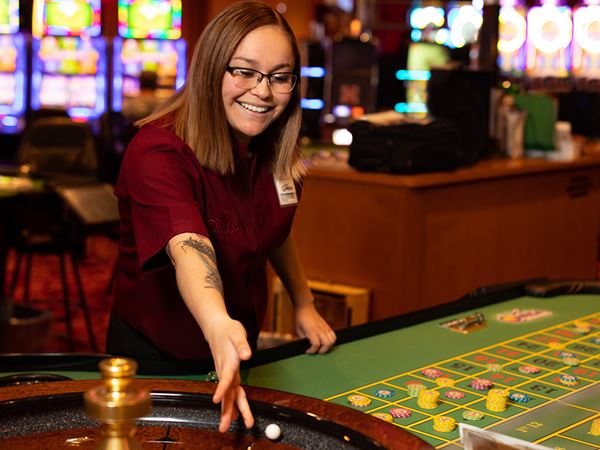
Zoccer Casino: The Future of Online Gaming
Zoccer Casino exemplifies the modern evolution of the gaming experience, particularly for Canadian players seeking a comprehensive online platform. With a vast selection of video slots, classic table games, and live dealer options, Zoccer Casino caters to diverse gaming preferences. The platform not only focuses on offering high-quality gaming experiences powered by reputable software providers but also ensures a safe and secure environment for its users, thereby prioritizing player satisfaction.
The welcoming bonus of 100% up to €500 plus 200 free spins for new users reflects Zoccer Casino’s commitment to enhancing the player experience from the moment they join. By providing generous promotions and a user-friendly interface, the casino aims to attract and retain players in a competitive market. Moreover, Zoccer Casino supports multiple payment methods, ensuring convenience and accessibility for all users, making it an attractive option for both seasoned gamblers and newcomers alike.
In conclusion, the historical evolution of casinos has been marked by significant milestones that reflect changing societal norms and technological advancements. As casinos continue to adapt to modern trends and player expectations, platforms like Zoccer Casino represent the future of online gaming, merging entertainment, security, and accessibility into one engaging experience. The journey from ancient games to contemporary entertainment hubs illustrates the enduring appeal of gambling as a form of social interaction and leisure.